The CubeSat Revolution: From Academic Curiosity to Commercial Powerhouse
December 20, 2025
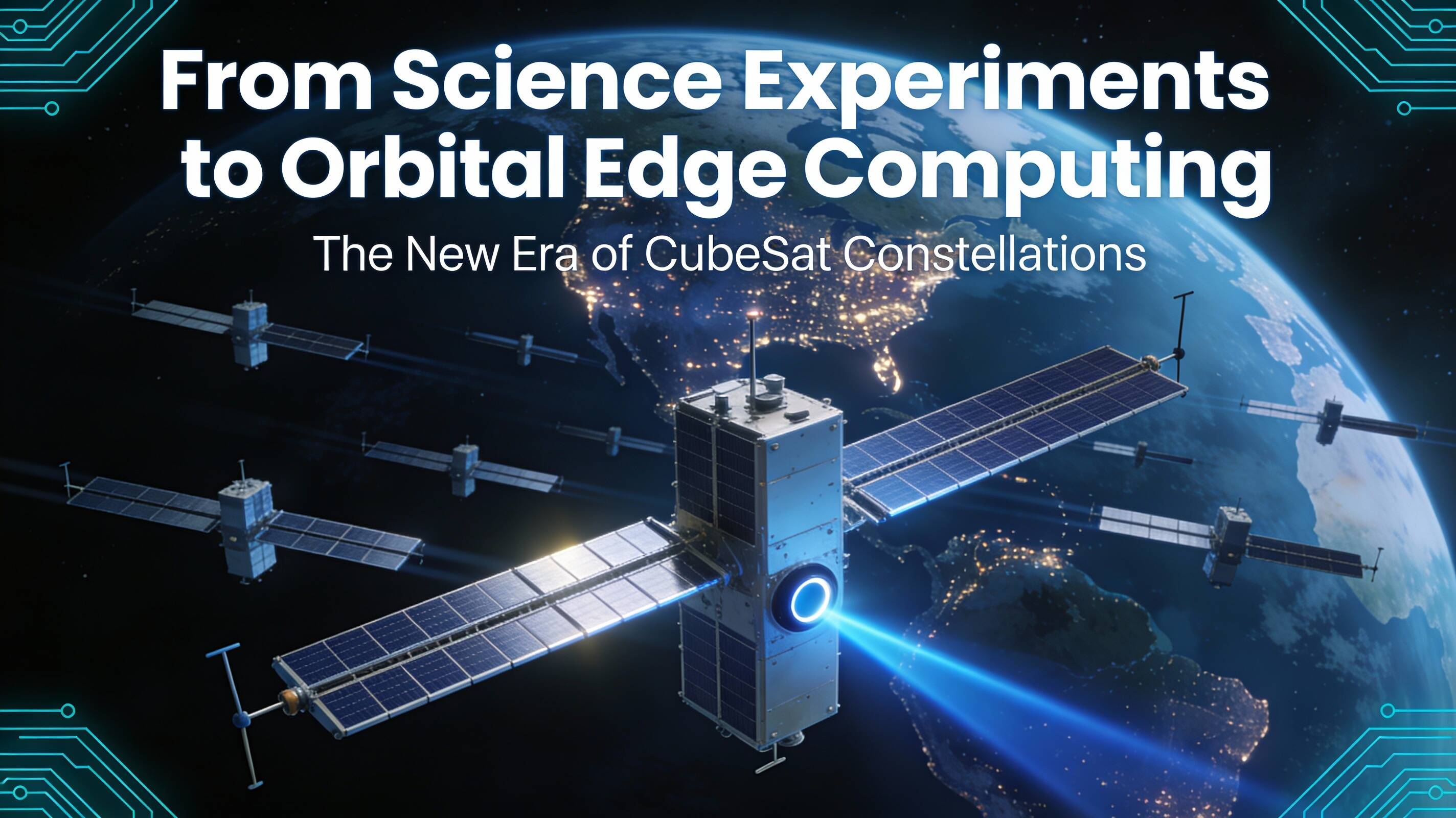
From Educational Tools to Commercial Infrastructure
The CubeSat platform has undergone a remarkable transformation since its inception in 1999 by professors Jordi Puig-Suari and Bob Twiggs. Initially conceived as an educational standardized satellite platform with a basic form factor of 10 cm cubes (1U), CubeSats have evolved into sophisticated space systems capable of advanced Earth observation, communications relay, and technology demonstration missions. The global CubeSat market, valued at approximately $426.6 million in 2024, is projected to reach $1,649.3 million by 2033, reflecting a compound annual growth rate of 15.6%. This growth is driven by three fundamental shifts: the maturation of miniaturized subsystem technologies, the rise of distributed constellation architectures, and the democratization of space access for small and medium enterprises (SMEs).1 2
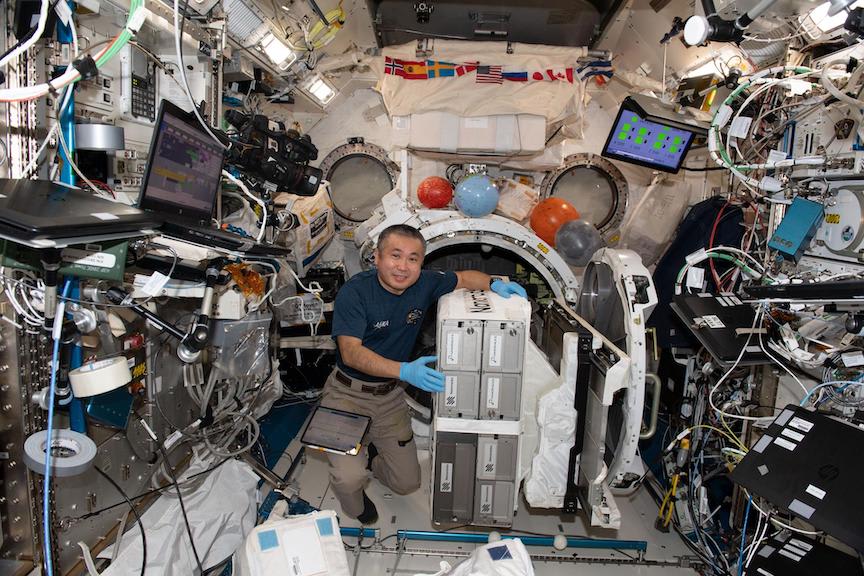
Academic missions accounted for the majority of CubeSat launches until 2013, when commercial and government applications began to dominate. By 2014, more than half of newly deployed CubeSats served non-academic purposes, marking a fundamental shift in the platform's role. This transition reflects not merely improved technology, but a fundamental change in mission philosophy: CubeSats have evolved from being platforms for demonstrating individual technologies into becoming components of large-scale, operationally critical infrastructure.2
The Constellation Paradigm: Distributed Intelligence and Rapid Revisit
Leading Commercial Constellations
The most dramatic manifestation of the CubeSat revolution is the emergence of large-scale constellations designed for continuous Earth observation and global communications. Three companies currently dominate the CubeSat constellation landscape:
Planet Labs operates the world's largest Earth observation constellation, with over 200 Dove CubeSats deployed since its founding. Each 3U satellite captures imagery with meter-level ground resolution, providing daily revisits to every location on Earth. This unprecedented temporal resolution enables applications previously impossible with traditional Earth observation satellites, including precision agriculture monitoring, infrastructure surveillance, and rapid disaster response. Recent research demonstrates that Planet's CubeSat constellation enables daily evapotranspiration estimates at 3-meter resolution—a capability that "revolutionizes Earth observation, delivering novel insights and new agricultural informatics". The constellation's ability to detect day-to-day variations in crop water use would be completely missed by traditional platforms like Landsat-8, which offers only 16-day revisit times.3 4 5 6 7
Spire Global maintains a constellation of over 180 Lemur-2 nanosatellites, each based on a 3U CubeSat platform with approximately 4.6 kg mass. The constellation provides three primary services: maritime vessel tracking via Automatic Identification System (AIS) reception, aviation tracking, and radio occultation for weather forecasting. As of January 2025, Spire continues active deployment with six satellites launched aboard SpaceX's Transporter-12 mission and seven more scheduled for Transporter-13 in March 2025. The constellation demonstrates the viability of CubeSat platforms for operational services requiring global coverage and near-real-time data delivery.8
Swarm Technologies (acquired by SpaceX in 2021) operates a constellation of 3U CubeSats designed for Internet of Things (IoT) connectivity, providing low-cost data relay for asset tracking, environmental monitoring, and M2M communications. The constellation exemplifies how CubeSats enable new business models by dramatically reducing the cost per spacecraft, allowing deployment of redundant systems that ensure service continuity even with individual satellite failures.4 9
Emerging Specialized Constellations
Beyond the established leaders, numerous specialized CubeSat constellations are emerging to serve niche markets:
HawkEye 360 operates clusters of three satellites flying in formation to provide radio frequency (RF) geolocation services. Each cluster, built on a Defiant bus with approximately 30 kg mass, carries software-defined radios and RF front-end modules to detect and geolocate maritime radios, push-to-talk communications, radar systems, and emergency beacons. As of December 2024, HawkEye 360 has launched 11 clusters (33 satellites) with plans to reach 60 satellites (20 clusters) by 2025, providing revisit times as frequent as 20 minutes for critical areas. The company has secured contracts with the U.S. National Reconnaissance Office (NRO) to demonstrate commercial RF sensing capabilities for national security applications.10 11 12
ICEYE represents a remarkable achievement in miniaturization: an operational Synthetic Aperture Radar (SAR) constellation using microsatellites with only 85 kg mass. While slightly larger than traditional CubeSats, ICEYE's satellites demonstrate that even power-intensive active sensors can be deployed on small platforms. The constellation of 49 satellites (as of 2024) provides X-band SAR imagery with resolutions down to 1 meter in spotlight mode, enabling applications from infrastructure monitoring to interferometric change detection. ICEYE's constellation achieves daily revisit capability globally and sub-daily revisit for priority areas, with electric propulsion systems maintaining the precise orbits required for interferometry.13 14 15
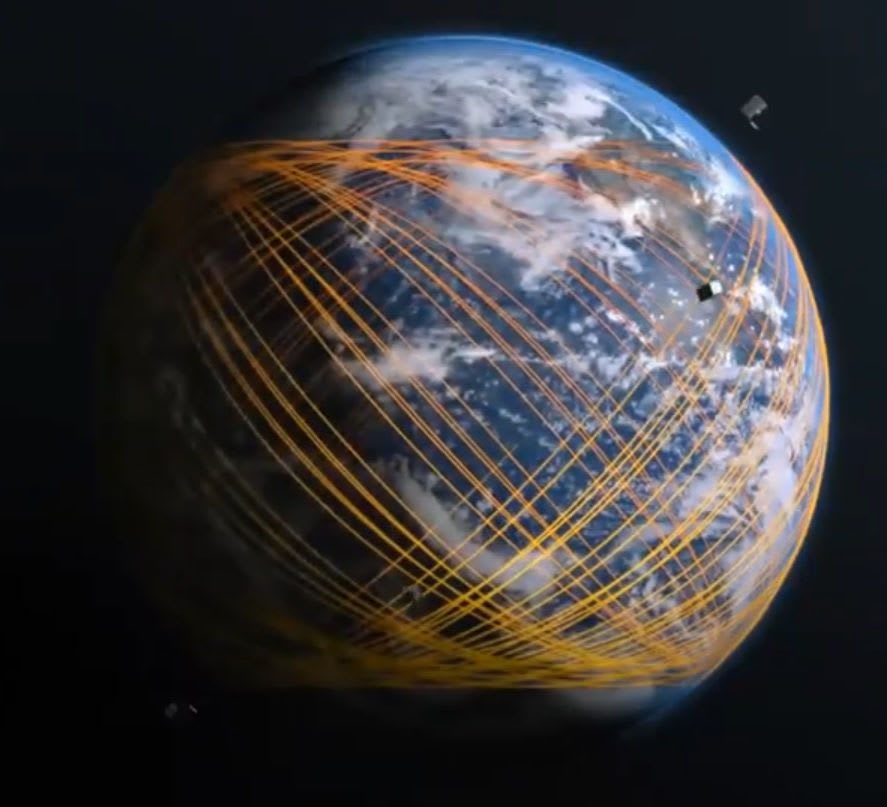 TrustPoint, Quantum Space, and Instinct are developing CubeSat-based Position, Navigation, and Timing (PNT) constellations as commercial alternatives or supplements to GPS. These systems address growing concerns about GPS vulnerability and denial, offering enterprises and governments independent navigation capabilities.16
Constellation Architecture Trends
Two distinct architectural approaches have emerged for CubeSat constellations:6
-
Homogeneous constellations deploy identical satellites to maximize revisit frequency and coverage. Planet Labs and Spire exemplify this approach, where each satellite carries similar sensors and all data contributes to a unified Earth observation or signal collection capability.
-
Heterogeneous constellations distribute different payloads across multiple satellites to enable integrated multi-sensor missions. The STU-2 mission demonstrated this concept by deploying three CubeSats (one 3U and two 1U) with different payloads—optical imaging, ADS-B reception, and ice observation—operating as a coordinated system.6
The trend is clearly toward homogeneous constellations with continuous deployment strategies. Planet Labs, Spire, and HawkEye 360 all maintain active launch schedules to replace aging satellites and expand capability. This "constellation-as-a-service" model treats individual satellites as replaceable elements within a persistent system, fundamentally changing reliability requirements: the constellation must survive, but individual satellite failures become acceptable if rapid replacement is possible.4 8 11
Enabling Technologies: Edge AI and High-Throughput Downlink
On-Board Artificial Intelligence and Edge Computing
Perhaps the most transformative emerging technology for CubeSats is on-board artificial intelligence (AI) and edge computing. Traditional satellite architectures downlink all collected data for ground-based processing, creating bottlenecks in communications bandwidth and limiting responsiveness. On-board AI enables satellites to process data autonomously, transmitting only relevant information or actionable insights.17 18 19 20
NASA SpaceCube Edge TPU SmallSat Card represents the state-of-the-art in space-qualified AI processors. Built around Google's Edge Tensor Processing Unit (TPU)—a low-power ASIC capable of 4 trillion operations per second with only 2 watts power consumption—the SpaceCube card enables high-performance neural network inferencing for CubeSat missions. The Edge TPU's 8 MB on-chip memory and support for quantized 8-bit neural networks make it ideal for resource-constrained spacecraft. Applications include autonomous fault detection, on-board science data analysis, and real-time decision-making for time-sensitive observations.18 21
Recent demonstrations have proven the viability of on-board AI for operational missions. NASA's OPS-SAT mission successfully uplinked and executed machine learning models for cloud detection and image classification, achieving ~95% balanced accuracy. Remarkably, a single engineer developed, tested, uplinked, and operated the model within weeks—demonstrating the rapid development cycles possible with modern edge AI platforms. Another demonstration aboard the International Space Station used a Qualcomm Snapdragon processor for on-board inference, showing that commercial smartphone-class processors can function in space environments.20 22
The integration of AI into CubeSats addresses three critical challenges:
-
Bandwidth limitations: By processing data on-board and transmitting only detections, classifications, or alerts, satellites reduce downlink requirements by orders of magnitude. This is critical for CubeSats, which typically have limited communications capacity.
-
Latency reduction: On-board processing enables real-time or near-real-time response to detected phenomena without waiting for ground station passes and command uplinks.
-
Autonomous operations: AI enables CubeSats to detect and respond to anomalies, optimize operations based on environmental conditions, and make intelligent decisions about data collection priorities.23 17
Future developments include AI-driven fault detection and isolation, where machine learning algorithms continuously monitor telemetry to identify anomalies indicative of component degradation or failure. Such systems could enable "self-healing" CubeSats capable of autonomous fault recovery, dramatically improving reliability for long-duration missions.17
Optical Communications: Breaking the Downlink Bottleneck
Traditional radio frequency (RF) communications impose fundamental limits on CubeSat data rates. UHF and S-band systems typically provide 1-10 Mbps downlink, while X-band systems can reach tens of Mbps but require larger antennas and more power. For missions generating high-resolution imagery or continuous sensor data, these rates create severe bottlenecks.24 25
Optical (laser) communications offer a revolutionary alternative, providing data rates orders of magnitude higher than RF systems in similar size, weight, and power (SWaP) envelopes. The German Aerospace Center (DLR) has pioneered CubeSat-scale optical terminals through its OSIRIS (Optical Space Infrared Downlink System) program.26 27 28 29
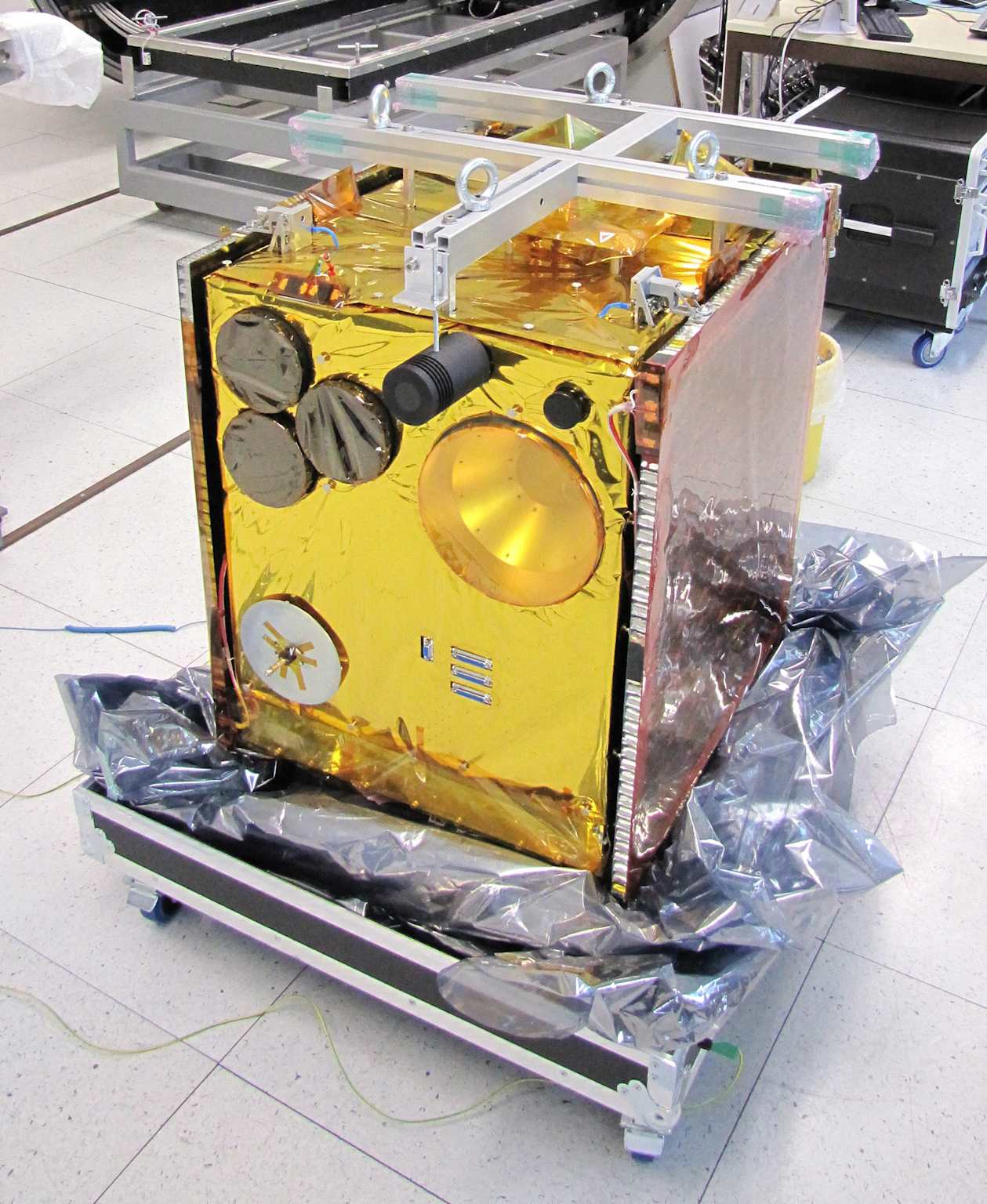 OSIRIS4CubeSat (O4C) is the world's smallest operational laser communication terminal, designed specifically for CubeSat platforms. Key specifications include:27 28
- Data rate: 100 Mbps for direct-to-Earth downlink26 28
- Mass and volume: Fits within standard CubeSat form factors
- Power consumption: Below 9 watts in downlink operation29
- Wavelength: 1550 nm (C-band) for transmission, 1590 nm (L-band) for beacon reception28 29
- Tracking: Closed-loop optical tracking using ground-based beacon laser28
The OSIRIS4CubeSat terminal flew on the CubeL satellite as part of the PIXL-1 mission, demonstrating operational capability. DLR has developed several derivatives:30 27
QUBE adapts the O4C terminal for quantum key distribution (QKD) experiments, adding dual-wavelength operation to simultaneously transmit quantum-encrypted signals and classical optical communications. The system supports wavelengths at 850 nm and 1550 nm in addition to the standard 1590 nm uplink.26 29
CubeISL transfers the O4C technology from direct-to-Earth (DTE) links to inter-satellite links (ISL), enabling 100 Mbps communication between CubeSats at ranges up to 1,500 km. This capability is essential for distributed constellation architectures requiring satellite-to-satellite data relay.26
OSIRISv3 represents DLR's high-performance variant with integrated pointing assembly, achieving 10 Gbps data rates—comparable to terrestrial fiber optics. While too large for standard CubeSats, OSIRISv3 demonstrates the ultimate potential of optical communications for small satellites.26
The advantages of optical communications extend beyond raw data rate:31 27 26
- Spectrum freedom: Optical frequencies are unregulated, eliminating licensing requirements and frequency coordination
- Security: Narrow laser beams are difficult to intercept, providing inherent physical-layer security
- Interference immunity: Optical links are immune to RF interference
- Power efficiency: Higher data rates with comparable or lower power consumption than RF systems
However, optical communications face challenges, primarily atmospheric weather. Clouds block optical signals, requiring either multiple geographically distributed ground stations for high availability (DLR estimates 11 stations needed for >99.9% availability) or hybrid RF/optical architectures.32 26
CubeSat Mission Types and Applications
Earth Observation and Remote Sensing
Earth observation remains the dominant CubeSat application, accounting for the largest market segment in 2024. CubeSat constellations provide unprecedented spatial and temporal resolution through distributed sensing architectures.33
Agricultural monitoring exemplifies the unique capabilities enabled by CubeSat constellations. Daily 3-meter resolution imagery allows farmers and agricultural analysts to monitor crop health, detect irrigation issues, and optimize resource allocation with precision impossible using traditional satellites. CubeSat data enables discrimination of high-frequency day-to-day changes in evapotranspiration and leaf area index, providing actionable information for in-field management decisions.3 5
Disaster response and environmental monitoring benefit enormously from rapid revisit capabilities. CubeSat constellations can image disaster areas within hours of an event, providing damage assessment for wildfires, floods, hurricanes, and earthquakes. The ability to capture "before" and "after" imagery at high temporal resolution enables rapid response and recovery planning.1 34
Infrastructure surveillance and change detection represents a growing commercial application. High-frequency imagery enables monitoring of construction projects, detection of unauthorized activities, and assessment of infrastructure condition. SAR-equipped satellites like ICEYE enable monitoring regardless of weather conditions, providing consistent data streams for critical infrastructure.14 33
Communications and IoT Connectivity
CubeSat-based communications constellations address a market largely underserved by traditional satellites: low-data-rate, global connectivity for Internet of Things (IoT) devices, asset tracking, and remote sensors.35 33
Swarm Technologies pioneered this approach with a constellation of 3U CubeSats providing bidirectional messaging services for $5 per device per month—orders of magnitude cheaper than traditional satellite IoT solutions. Applications include maritime vessel tracking, remote environmental sensor networks, and agricultural equipment monitoring in areas without terrestrial connectivity.4
Spire Global combines communications capabilities with Earth observation, using the same constellation for AIS maritime tracking, radio occultation weather data, and aviation surveillance. This multi-mission approach maximizes constellation utility and revenue streams.8
The communications segment is projected to grow at the fastest rate during the 2025-2033 forecast period, driven by demand for affordable connectivity solutions, IoT data transfer, and emergency communications. CubeSats offer practical solutions to bridge connectivity gaps in remote and underserved areas, supporting global data relay infrastructure with deployment costs and timelines impossible for traditional geostationary or large LEO satellites.33
Technology Demonstration and In-Space Services
CubeSats serve as ideal platforms for technology demonstration, enabling rapid prototyping and flight validation of new systems at acceptable risk and cost.2 36 37
NASA's Pathfinder Technology Demonstrator (PTD) series explicitly tests novel CubeSat technologies in low Earth orbit, demonstrating subsystem capabilities before infusion into larger missions. Missions like Dellingr (6U) demonstrated miniaturized instrumentation including ion-neutral mass spectrometers, magnetometers, and advanced thermal control systems—all of which subsequently influenced mainstream CubeSat design.37 38
CubeSat Proximity Operations Demonstration (CPOD) tested rendezvous, proximity operations, and docking (RPOD) using two 3U CubeSats with cold gas propulsion. While the mission experienced challenges and did not complete all planned maneuvers, it validated RPOD algorithms and generated critical lessons learned for future autonomous spacecraft operations.39
In-orbit servicing and inspection missions are emerging as CubeSats mature. Companies like Rogue Space Systems plan to use 12U-16U platforms for satellite inspection and servicing. Turion Space is developing a constellation for space situational awareness and active debris removal using microsat platforms.16
Scientific Research
Scientific CubeSat missions span diverse disciplines including space weather, atmospheric science, planetary exploration, and astrophysics. The MarCO (Mars Cube One) mission demonstrated the first CubeSats in deep space, providing communications relay during InSight's Mars landing in 2018. This mission proved that CubeSats can operate beyond Earth orbit, opening possibilities for planetary exploration and interplanetary networking.2 40
Universities and research institutions continue to use CubeSats for scientific investigations, often flying secondary payloads on commercial or government missions. The low cost enables higher-risk experiments that would not justify dedicated large satellites, fostering innovation in measurement techniques and instrumentation.40
Mission-Critical Subsystems and Failure Modes
Reliability Landscape: The Dead-on-Arrival Problem
CubeSat reliability has historically lagged far behind traditional spacecraft. Between 2002 and 2016, 139 out of 270 CubeSats (51.5%) failed to complete their missions. Analysis of failure modes reveals systematic patterns that indicate high-impact opportunities for improvement.32 41
Dead-on-Arrival (DOA) failures—satellites that never achieve functional status after deployment—represent the single largest failure category. Statistical analysis shows that overall CubeSat reliability drops instantly to between 75.62% and 87.09% immediately after deployment (95% confidence interval). These failures often occur within the first days or weeks of operation, a period known as "infant mortality".41 42 43 44 32
The infant mortality rate has decreased over time as CubeSat technology matures, but remains between 15-25% even for recent missions. This represents a dramatic improvement from early CubeSat missions but still far exceeds the ~80% success rate of NASA Class C/D missions and ~90% success rate for Class A/B missions.43 41
Critical lesson from operational experience: Delayed initial contact dramatically increases the probability of mission loss. Analysis of the PW-Sat2 mission revealed that if operators had waited two weeks before first contact, the satellite would have been dead before their return—a single-event latch-up occurred just three days after deployment. This emphasizes the criticality of early operations phase procedures and rapid initial commissioning.43
Electrical Power System: The Achilles Heel
The Electrical Power System (EPS) is documented as the most unreliable CubeSat subsystem and accounts for 44% of all documented failures across the mission lifecycle. The EPS is also the most critical subsystem—a CubeSat cannot function without power, making EPS failures immediately mission-ending.42 45
Key EPS failure modes include:45 46 47
-
Battery failures: Lithium-ion batteries can experience cell imbalances, over-discharge, thermal runaway, or radiation-induced degradation. Battery management systems must implement balancing, temperature monitoring, and safe charge/discharge control.46 47
-
Solar panel degradation: Radiation exposure causes gradual degradation of solar cell efficiency, typically 2.75% per year for gallium arsenide cells in LEO. Missions must account for this degradation in power budget calculations, sizing arrays for end-of-life (EOL) rather than beginning-of-life (BOL) conditions.48
-
Power regulation failures: DC-DC converters and Maximum Power Point Tracking (MPPT) circuits can fail due to component latch-up, thermal stress, or radiation effects.49 45
-
Single points of failure: Traditional EPS architectures contain multiple single-point failures—any component failure can render the entire power system non-functional. Redundant architectures significantly improve reliability but increase mass, volume, and cost.50 45
Design improvements that enhance EPS reliability include:47 45 46
- Inhibit switches: Multiple deployment switches (typically 3) that must all be removed before power can flow, preventing premature activation during launch47
- Watchdog timers and reset circuits: Autonomous recovery from processor hangs and latch-up events51 47
- Redundant power buses: Separate power paths for critical subsystems52 53
- Battery heaters: Maintain safe operating temperatures throughout orbital thermal cycles54 46
- Current limiting and fusing: Isolate failed loads to prevent cascade failures52 49
Communication Subsystem Failures
The communications (COM) subsystem ranks as the second or third most common failure point, contributing significantly to both DOA cases and later mission failures. Communication failures are particularly devastating because they prevent any interaction with the spacecraft, making diagnosis and recovery impossible.42 52 55
Primary COM failure mechanisms include:52 55 56
-
Antenna deployment failures: Stowed antennas must deploy reliably in orbit, typically using burn-wire mechanisms that cut restraining cables when activated. Deployment mechanisms can fail due to wire not burning completely, mechanical binding, excessive friction, or inadequate stored energy in folded antenna elements. The literature documents multiple missions where antenna deployment failed, leading to complete loss of communications.57 58 59
-
Transceiver failures: Radio transceivers can fail due to component damage during launch vibration, radiation-induced latch-up, or thermal stress. Single-event effects (SEE) can corrupt transceiver firmware or cause permanent damage.55 52
-
Power amplifier failures: RF power amplifiers dissipate significant heat and are susceptible to thermal damage if cooling is inadequate. They also draw substantial current, stressing the EPS and potentially causing undervoltage conditions.52 55
-
Loss of synchronization: Communication systems must maintain accurate timing and frequency references to successfully receive commands from ground stations. Crystal oscillator drift or Real-Time Clock (RTC) failures can prevent successful uplink reception.55
Reliability enhancements employed in robust COM designs include:56 52 55
- Full hardware redundancy: Dual transceivers, transmitters, and antennas provide backup communication paths52 55
- Autonomous beacon mode: Periodic transmission of health and status telemetry without requiring ground commands, enabling diagnosis of spacecraft issues even if command reception fails55 52
- Contingency mode operation: If the main on-board computer fails, the COM processor can assume control of the satellite, isolating failed subsystems and attempting to continue operations52
- Polled receive mechanisms: Reduce power consumption by cycling the receiver on periodically rather than listening continuously, extending battery life during power-limited conditions52
- Multiple frequency bands: UHF for command uplink and S-band or X-band for data downlink provides redundancy against frequency-specific failures8 52
On-Board Computer Reliability
The On-Board Computer (OBC) serves as the central control element coordinating all subsystems, executing flight software, and managing mission operations. OBC failures can be partially mitigated by contingency modes in other subsystems, but complete OBC failure typically ends the primary mission.60 53 61 62
Critical OBC failure scenarios include:53 62 63 60
-
Processor latch-up: Radiation-induced single-event latch-up (SEL) can cause processors to draw excessive current and potentially damage the device permanently. Watchdog timers and external reset circuits provide recovery paths.47 62 56 53
-
Memory corruption: Bit flips in RAM or flash memory due to single-event upsets (SEU) can corrupt critical flight software or configuration data. Error-correcting codes (ECC) and triple-modular redundancy (TMR) mitigate this risk.62 53
-
Software bugs: Flight software errors can cause system hangs, incorrect commanding, or data corruption. Extensive ground testing and Hardware-in-the-Loop (HIL) simulation are essential to identify bugs before flight.61 60
-
Thermal extremes: Processors have defined operating temperature ranges; excursions outside these ranges can cause malfunction or permanent damage. Thermal control systems must maintain OBC temperature within specification throughout orbital variations.61
Robust OBC designs incorporate:64 60 53 62 61
- Redundant processors: Dual microcontrollers with cross-monitoring enable automatic failover if one processor malfunctions62 64
- Watchdog timers and dead-man switches: External circuits monitor processor activity and trigger resets if the processor hangs53 61 62
- Flash and RAM redundancy: Triple-redundant memory with majority voting prevents data corruption53 62
- Autonomous recovery procedures: Flight software includes automatic fault detection, isolation, and recovery (FDIR) routines that attempt to diagnose and correct failures without ground intervention17 61
- Live firmware updates: Ability to upload new flight software in-orbit enables bug fixes and functionality improvements61 53
Attitude Determination and Control System (ADCS)
The ADCS enables precision pointing for imaging payloads, communication antennas, and solar panels. While ADCS failures are less immediately mission-ending than power or communications losses, they can severely degrade mission performance or make certain mission objectives impossible.65 66 67 68
Common ADCS failure modes include:66 67 65
-
Reaction wheel failures: Mechanical bearing wear, lubrication issues, or motor failures can disable reaction wheels. Many CubeSats carry four wheels for three-axis control, providing single-wheel redundancy.65 66
-
Magnetorquer failures: Magnetic torque rods generate control torques by interacting with Earth's magnetic field, but can fail due to coil open circuits, driver electronics failures, or degradation from thermal cycling.67 68
-
Sensor failures: Star trackers, sun sensors, and magnetometers provide attitude knowledge. Sensor failures reduce pointing accuracy or prevent attitude determination entirely.68 66 65
-
Software issues: ADCS control algorithms can exhibit instabilities, oscillations, or singularities if improperly designed or inadequately tested.66 65
Modern ADCS designs achieve:68 65 66
- Pointing accuracy: Better than 1 arcminute (0.017°) is achievable with star trackers and reaction wheels65 66
- Multiple control modes: Detumbling (after deployment), coarse pointing (sun/nadir), and fine pointing (inertial/target tracking) accommodate different mission phases67 66
- Hybrid actuation: Combined reaction wheels for fine control and magnetorquers for momentum dumping provides both precision and long-term sustainability67 65
Thermal Control Challenges
CubeSats experience extreme thermal environments, with external surfaces cycling between approximately -50°C in eclipse and +120°C in sunlight. Internal components have much narrower acceptable operating ranges, typically 0°C to +50°C for most electronics.48 69 70 71
Thermal management challenges include:69 70 71 72 73
-
Limited thermal mass: Small satellites have little thermal inertia, causing rapid temperature swings during orbital day/night transitions.70 71
-
High power density: Modern CubeSats pack increasing functionality into limited volumes, creating localized hot spots that must be managed.69 70
-
Limited radiator area: Small external surface area limits heat rejection capability.71 70
-
Passive control limitations: Traditional passive thermal control (multi-layer insulation, conductive straps, radiative surfaces) may be insufficient for high-power payloads.72 70 69
Advanced thermal control approaches include:73 70 72 69
- Mechanically pumped loops (MPL): Miniature pumped fluid loops transport heat from hot spots to radiators, providing active thermal management69
- Phase change materials: Materials that absorb or release heat during phase transitions buffer temperature swings72 73
- Thermal straps: High-conductivity flexible links transport heat between components and radiators70
- Active heaters: Resistive heaters maintain minimum temperatures for batteries and sensitive electronics46 47 70
- Aerogel insulation: Low-density, high-performance insulation protects temperature-sensitive components70
High-Impact Improvement Areas
Analysis of failure modes and mission requirements reveals five critical areas where focused development would yield disproportionate improvements in CubeSat reliability and capability:
1. Improved Testing and System Engineering
Statistical analysis demonstrates that missions with thorough testing and clear system objectives have dramatically higher success rates. When mission objectives are met, the odds of success increase by 15 times compared to missions with unclear objectives. "Professional class" CubeSats—those developed with rigorous systems engineering processes—show 43% fewer failures at 90 days compared to "university class" CubeSats. The "fly-learn-refly" approach, where designs incorporate lessons from previous missions, reduces failure rates by 25% per cycle for up to five cycles.32 41 42
Recommendations: Implement comprehensive Test-As-You-Fly procedures, maintain detailed requirements traceability, and conduct environmental testing (vibration, thermal vacuum, radiation) on engineering models before flight. Investment in automated testing infrastructure for on-board computers and subsystem integration significantly reduces integration-phase bugs.74 60 57 32
2. Antenna Deployment Mechanism Reliability
Antenna deployment represents a single-point failure for mission communications. While burn-wire mechanisms are simple and flight-proven, failures continue to occur. Improved designs should incorporate deployment verification sensors, redundant burn resistors, pre-flight deployment cycle testing, and mathematical modeling of deployment dynamics.57 58 59 75
Emerging approaches: Spring-loaded mechanisms with positive mechanical latching provide deterministic deployment, and alternative release mechanisms (shape-memory alloys, paraffin actuators) offer redundancy. Ground testing with high-speed cameras enables validation of deployment dynamics and identification of whiplash or oscillation issues.58 76 77 57
3. Radiation-Hardened Components and FDIR
Single-event effects (SEE) from cosmic rays and trapped radiation cause bit flips, latch-up, and permanent damage to electronics. While radiation-hardened components offer better immunity, they are expensive and often lag commercial technology by decades.17 47 78 79
Practical mitigation strategies:53 62 17
- Software-based FDIR: Autonomous fault detection algorithms using machine learning can identify anomalous telemetry patterns indicative of radiation damage and trigger recovery procedures17
- Triple-modular redundancy (TMR): Critical functions implemented three times with majority voting prevents single-bit errors from propagating53
- Periodic memory scrubbing: Background processes continuously check and correct memory contents using error-correcting codes62 53
- External watchdogs: Independent circuits monitor critical processors and trigger hard resets if latch-up or hangs occur61 62 53
4. Propulsion Systems for Orbit Maintenance and End-of-Life Disposal
CubeSats historically lacked propulsion, relying on ballistic trajectories and atmospheric drag for orbital decay. Modern missions increasingly require active orbit control for constellation formation flying, collision avoidance, and end-of-life deorbiting to comply with debris mitigation guidelines.6 80 81 82
Cold gas propulsion dominates CubeSat applications due to simplicity, safety, and low cost. Systems like VACCO's MiPS (Micro Propulsion System) provide 23-700 N-s total impulse using R134a or R236FA refrigerant propellants. The JPL MarCO mission demonstrated the first interplanetary CubeSat propulsion using cold gas thrusters for trajectory correction maneuvers.80 81 82 83
Electric propulsion offers higher specific impulse but requires more power and complexity. Water electrolysis thrusters like the Comet system produce 17 mN thrust with 175s specific impulse. Ion thrusters and Hall thrusters achieve even higher performance but challenge CubeSat power budgets.82 84 6
Critical needs: Standardized propulsion interfaces, flight-proven systems with heritage, and integrated propulsion modules that minimize integration complexity.81 83 85 82
5. Power System Architectures with Graceful Degradation
Current EPS designs often exhibit single-point failures where any component loss causes total system failure. Future architectures should implement graceful degradation, where partial failures reduce capability but do not end the mission entirely.45 50
Recommended approaches:46 47 50 45
- Modular redundant architectures: Multiple independent power chains (solar panels → charge controller → battery → distribution) provide fault isolation50 45
- Cross-strapping: Critical loads can draw power from multiple buses, improving resilience45
- Prognostic health management: Machine learning algorithms predict battery degradation and component failures, enabling proactive management17 54
- Energy-aware autonomy: Flight software dynamically adjusts operations based on available power, prioritizing critical functions during power-limited conditions54
The Path Forward: Enterprise CubeSat Solutions
The convergence of improved subsystem reliability, on-board AI, optical communications, and reduced launch costs is enabling a new generation of enterprise CubeSat applications. Small and medium enterprises (SMEs) can now consider dedicated satellite systems for applications previously requiring expensive traditional satellites or ground-based infrastructure.33 86 87
Agricultural companies can deploy dedicated Earth observation constellations providing daily field-level imagery for precision agriculture. Maritime operators can maintain private AIS tracking constellations for fleet management. Industrial IoT providers can offer global connectivity for remote sensors and equipment. Financial institutions can access independent Earth observation and RF intelligence data for investment analysis and risk assessment.3 5 35 8 86 10 11 88 33
The European SME-SAT project demonstrated that SMEs, universities, and large system integrators can collaborate effectively on CubeSat missions. Such collaborations leverage SME innovation and agility with established aerospace quality processes, creating a sustainable ecosystem for commercial CubeSat development.87 89
Looking ahead, the combination of on-board edge AI, optical communications approaching 10 Gbps, standardized propulsion systems, and mature constellation operations will position CubeSats not as substitutes for traditional satellites but as fundamentally different space systems optimized for distributed sensing, rapid deployment, and frequent replacement. The platform's evolution from educational curiosity to commercial infrastructure is not merely a technological progression—it represents a paradigm shift in how humanity accesses and utilizes space.
Conclusion
CubeSats have matured from academic technology demonstrators into mission-critical commercial infrastructure serving Earth observation, communications, technology demonstration, and scientific research applications. The global market is projected to reach $1.65 billion by 2033, driven by constellation deployments from companies like Planet Labs (200+ satellites), Spire Global (180+ satellites), and emerging specialized providers like HawkEye 360 and ICEYE.90 4 1 8 14
Enabling technologies—particularly on-board AI processors capable of 4 TOPS inference at 2 watts and optical communications terminals achieving 100 Mbps to 10 Gbps in CubeSat form factors—are transforming mission architectures. These capabilities enable autonomous operations, real-time data processing, and bandwidth previously impossible for small satellites.26 18 27 21
However, reliability challenges remain significant. Historical failure rates of ~50% have improved but infant mortality between 15-25% continues to impact missions. The Electrical Power System accounts for 44% of failures, followed by communications and on-board computer subsystems. Dead-on-Arrival failures represent the largest single failure category, emphasizing the criticality of early operations procedures and robust deployment mechanisms.32 41 42 45 52 43 44
Five high-impact improvement areas emerge from failure analysis: (1) improved testing and systems engineering processes reduce failures by up to 15× when objectives are clearly met; (2) antenna deployment mechanism reliability remains critical with numerous documented failures; (3) radiation hardening and autonomous fault detection/recovery enable long-duration missions in harsh environments; (4) integrated propulsion systems enable constellation maintenance and debris mitigation compliance; and (5) power system architectures with graceful degradation prevent single-point failures.17 41 45 53 62 50 57 58 59 81 82 84 32
The platform evolution from single-satellite science missions to distributed commercial constellations represents more than technological progress—it embodies a fundamental shift toward democratized space access. Small and medium enterprises can now deploy dedicated satellite infrastructure for applications ranging from precision agriculture to private navigation systems, creating new markets and business models. As reliability improves and enabling technologies mature, CubeSats will increasingly serve not as smaller versions of traditional satellites but as purpose-built components of large-scale space-based systems optimized for flexibility, rapid deployment, and continuous evolution.33 86 87
References
-
https://www.grandviewresearch.com/industry-analysis/cubesat-market-report ↩︎
-
https://www.nanosats.eu/assets/CubeSats-Nanosatellites-2024_ErikKulu_IAC2024.pdf ↩︎
-
https://www.sciencedirect.com/science/article/abs/pii/S0273117720302635 ↩︎
-
https://www.newspace.im/assets/Constellations-2024_ErikKulu_IAC2024.pdf ↩︎
-
https://www.he360.com/hawkeye-360-successfully-launches-next-generation-rf-satellites/ ↩︎
-
https://www.futurespaceflight.com/satellites/hawk-hawkeye-360.html ↩︎
-
https://www.satellitetoday.com/imagery-and-sensing/2022/10/05/hawkeye-360-plans-to-have-60-satellites-on-orbit-by-2025/ ↩︎
-
https://www.eoportal.org/satellite-missions/iceye-constellation ↩︎
-
https://theacademic.in/wp-content/uploads/2025/03/131.pdf ↩︎
-
https://www.academia.edu/105397812/NASA_SpaceCube_Edge_TPU_SmallSat_Card_for_Autonomous_Operations_and_Onboard_Science_Data_Analysis ↩︎
-
https://content.redpitaya.com/blog/edge-computing-space-satellites ↩︎
-
https://ai.jpl.nasa.gov/public/documents/papers/ieee-leo-sats-report.pdf ↩︎
-
https://ai.jpl.nasa.gov/public/documents/papers/Zilberstein-ISAIRAS-2024.pdf ↩︎
-
https://www.un-spider.org/news-and-events/news/ai-enabled-onboard-edge-computing-satellite-intelligence-disaster-management%C2%A0 ↩︎
-
https://s3vi.ndc.nasa.gov/ssri-kb/static/resources/1908.09501.pdf ↩︎
-
https://www.cubesatshop.com/product-category/communication-systems/ ↩︎
-
https://www.nasa.gov/wp-content/uploads/2023/09/20230913-osl-overview.pdf ↩︎
-
https://www.nasa.gov/smallsat-institute/community-of-practice/dlrs-solutions-for-optical-communication-on-cubesats/ ↩︎
-
https://elib.dlr.de/194156/1/20180509_OSIRIS_CubeSat_Paper-254-382-Schmidt-Christopher.pdf ↩︎
-
https://www.sciencedirect.com/science/article/abs/pii/S1570870518309247 ↩︎
-
https://digitalcommons.usu.edu/cgi/viewcontent.cgi?article=4240&context=smallsat ↩︎
-
https://www.polarismarketresearch.com/industry-analysis/cubesat-market ↩︎
-
https://nanoavionics.com/blog/cubesat-101-the-comprehensive-guide-to-understanding-satellite-technology/ ↩︎
-
https://www.nasa.gov/smallspacecraft/pathfinder-technology-demonstrator/ ↩︎
-
https://www.nasa.gov/wp-content/uploads/2017/03/nasa_csli_cubesat_101_508.pdf ↩︎
-
https://www.nasa.gov/wp-content/uploads/2017/11/fuhrman-_analysis_of_cubesat_reliability.pdf ↩︎
-
https://repository.tudelft.nl/file/File_a0170151-fe80-4e2d-8182-b2b9ae7a30f2 ↩︎
-
https://pure.tudelft.nl/ws/files/9189588/2016_07_30_M._Langer_Reliability_of_CubeSats_Statistical_Data_De....pdf ↩︎
-
https://nanoavionics.com/cubesat-components/cubesat-electrical-power-system-eps/ ↩︎
-
https://www.unoosa.org/documents/pdf/psa/access2space4all/KiboCUBE/AcademySeason2/On-demand_Pre-recorded_Lectures/KiboCUBE_Academy_2021_OPL08.pdf ↩︎
-
https://www.sjsu.edu/ae/docs/project-thesis/Daniel.Hernandez%20S15.pdf ↩︎
-
https://www.sjsu.edu/ae/docs/project-thesis/Gabriel.Alvarez.S14.pdf ↩︎
-
https://www.sciencedirect.com/science/article/pii/S0951832021007584 ↩︎
-
https://s3vi.ndc.nasa.gov/ssri-kb/static/resources/Improving%20Mission%20Success%20of%20CubeSats.pdf ↩︎
-
http://www.crn.inpe.br/conasat1/projetos_cubesat/subsistemas/COM/CP2%20-%20COM%20-%20Communication%20Subsystem.pdf ↩︎
-
https://www.satcatalog.com/component/cubesat-on-board-computer/ ↩︎
-
https://www.unoosa.org/documents/pdf/psa/access2space4all/KiboCUBE/AcademySeason2/On-demand_Pre-recorded_Lectures/KiboCUBE_Academy_2021_OPL09.pdf ↩︎
-
https://ntrs.nasa.gov/api/citations/20210020397/downloads/Alphonzo%20Stewart-%20Final%20Paper.pdf ↩︎
-
https://esmats.eu/amspapers/pastpapers/pdfs/2012/vilan.pdf ↩︎
-
https://s3vi.ndc.nasa.gov/ssri-kb/static/resources/PDF%20datastream.pdf ↩︎
-
https://info.alen.space/the-key-role-of-on-board-computer-in-cubesat-mission ↩︎
-
https://s3vi.ndc.nasa.gov/ssri-kb/static/resources/Attitude%20Determination%20&%20Control%20System%20Design%20and%20Implementation.pdf ↩︎
-
https://www.unoosa.org/documents/pdf/psa/access2space4all/KiboCUBE/AcademySeason2/On-demand_Pre-recorded_Lectures/KiboCUBE_Academy_2021_OPL14.pdf ↩︎
-
https://tensortech.co/updates/detail/How-to-pick-up-a-suitable-CubeSat-ADCS ↩︎
-
https://www.isispace.nl/projects/cubesat-thermal-control/ ↩︎
-
https://public.eng.fau.edu/design/fcrar2017/papers/ActiveThermalControlSystemforCubeSat.pdf ↩︎
-
https://digitalcommons.usu.edu/cgi/viewcontent.cgi?article=5057&context=smallsat ↩︎
-
https://ntrs.nasa.gov/api/citations/20100021944/downloads/20100021944.pdf ↩︎
-
https://esmats.eu/amspapers/pastpapers/pdfs/2018/sauder.pdf ↩︎
-
https://smallsat.uga.edu/images/documents/posters/Sydney_Whilden_Cubesats_and_radiation_damage.pdf ↩︎
-
https://ntrs.nasa.gov/api/citations/20205003834/downloads/CSMH%20-%20III-8%20-%20Propulsion%20System_For%20Book-%20200701_final.docx.pdf ↩︎
-
https://ssdl1.gatech.edu/sites/default/files/ssdl-files/papers/mastersProjects/Skidmore_AE_8900.pdf ↩︎
-
https://blog.satsearch.co/2019-07-10-cubesat-thrusters-and-in-space-propulsion-products-for-small-satellites-on-the-global-marketplace ↩︎
-
https://www.saasst.ae/index.php/news-room/scass-news/item/451-does-a-cubesat-require-a-propulsion-system ↩︎
-
https://www.meegle.com/en_us/topics/space-commercial/cubesats ↩︎
-
https://cordis.europa.eu/article/id/170039-cubesat-technology-validation ↩︎
-
https://www.surrey.ac.uk/surrey-space-centre/missions/sme-sat ↩︎
-
https://www.datainsightsmarket.com/reports/cubesat-471799 ↩︎